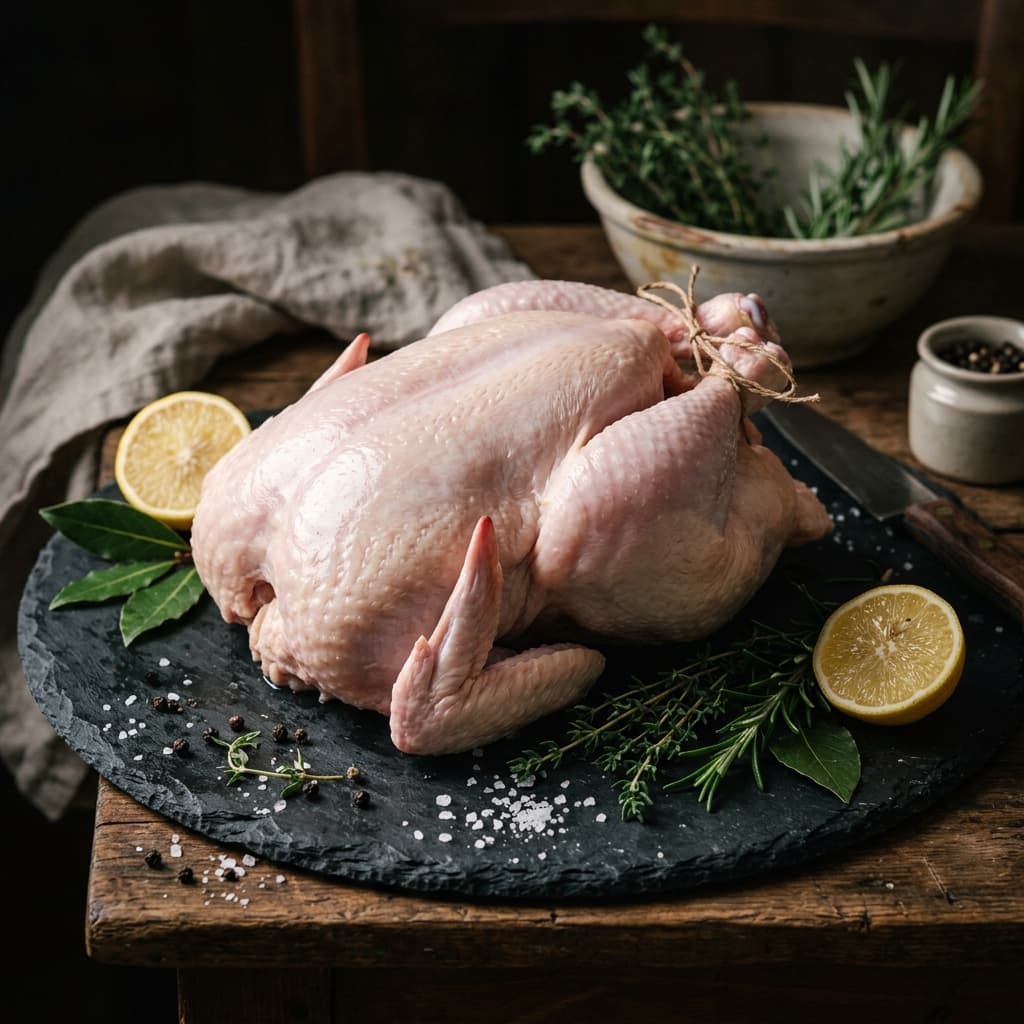
Chicken meat grading is a quality evaluation system used to classify poultry based on factors such as appearance, processing quality, and overall condition. Unlike beef grading, which emphasizes marbling and maturity, chicken grading focuses primarily on external quality, defects, and processing standards.
1. Purpose of Chicken Grading
Chicken grading serves several critical functions:
- Ensures consistent quality standards for consumers
- Facilitates fair pricing and market classification
- Helps processors maintain regulatory compliance
- Supports food service and retail in selecting appropriate products
2. Governing Standards
In the United States, chicken grading is overseen by the USDA Agricultural Marketing Service (AMS). Grading is voluntary but widely used in commercial production.
Key Classification Categories:
- USDA Grade A
- USDA Grade B
- USDA Grade C
3. USDA Chicken Grades Overview
| Feature | Grade A | Grade B | Grade C |
|---|---|---|---|
| Appearance | Excellent | Moderate defects | Significant defects |
| Skin | Clean, intact | Minor tears/bruises | Cuts, discoloration |
| Flesh | Well-developed | Slight deformities | Poor conformation |
| Fat Cover | Even distribution | Slightly uneven | Uneven/scant |
| Feathers | Few to none | Noticeable remnants | Many remnants |
| Use | Retail, fresh sales | Processed products | Further processing |
4. Detailed Grade Descriptions
Grade A
Highest quality poultry available.
Characteristics:
- Smooth, clean skin with no discoloration
- Well-fleshed, uniform body shape
- No exposed flesh or broken bones
- Minimal to no feather remnants
Market Use:
- Whole chickens
- Premium retail cuts
- Food service (restaurants, supermarkets)
Grade B
Moderate quality with visible imperfections.
Characteristics:
- Minor skin tears or bruising
- Slightly uneven flesh distribution
- Some exposed flesh possible
- Moderate feather presence
Market Use:
- Cut-up chicken parts
- Marinated or seasoned products
- Lower-tier retail offerings
Grade C
Lowest grade, typically not sold as whole birds.
Characteristics:
- Significant defects (cuts, bruises, deformities)
- Uneven or poor flesh coverage
- Visible processing damage
- Higher fat irregularities
Market Use:
- Ground chicken
- Processed foods (nuggets, patties, soups)
5. Key Grading Factors
5.1 Conformation (Body Shape)
Measures how well the meat is distributed. Indicates yield and overall meatiness.
     ______
   /        \
  |  FULL    |
   \______/
    ____
  /      \
 | THIN   |
  \______/
5.2 Fleshing (Muscle Development)
| Grade A | Thick breast, full legs |
| Grade B | Slightly thin areas |
| Grade C | Noticeably underfilled |
5.3 Fat Cover
Thin, even fat layer improves flavor, juiciness, and appearance.
5.4 Skin Quality
Key attributes: Smoothness, Color consistency, Absence of cuts or bruises.
5.5 Defects and Damage
Types of defects evaluated:
6. Ready-to-Cook (RTC) Yield
Grading also considers how much usable meat remains after processing. Higher grades typically yield more usable meat with fewer losses.
| Component | Typical Contribution |
|---|---|
| Breast meat | 30–35% |
| Legs (thigh/drum) | 25–30% |
| Wings | 10–12% |
| Carcass remainder | 25–35% |
7. Grading vs Inspection
An important distinction in the USDA system.
Inspection
- Mandatory
- Ensures chicken is safe to eat
- Conducted by USDA FSIS
Grading
- Voluntary
- Determines quality level
- Conducted by USDA AMS
8. Processing Impact
Several processing steps directly affect the final grade:
- Scalding & Defeathering Can leave feather remnants
- Evisceration Potential tears or contamination
- Chilling Affects skin appearance and firmness
- Handling Bruising and bone damage
9. Packaging, Labeling & Implications
Retail Buyers
Prefer Grade A for visual appeal and high yield in fresh cases.
Manufacturers
Use Grade B and C for cost efficiency in processed foods.
Consumers
Often unaware of grading; heavily influenced by appearance and "air-chilled" labels.
10. Summary Table
| Factor | Most Important for Grade |
|---|---|
| Appearance | Skin quality, color, absence of defects |
| Yield | Meat distribution and fleshing |
| Processing | Damage, feather removal, cleanliness |
| Market Use | Whole sale vs processed products |
"Chicken grading is less about flavor characteristics (like beef marbling) and more about visual quality, structural integrity, and processing precision. For most consumers, the difference shows up in appearance and presentation, while for industry professionals, it directly impacts yield, pricing, and product application."